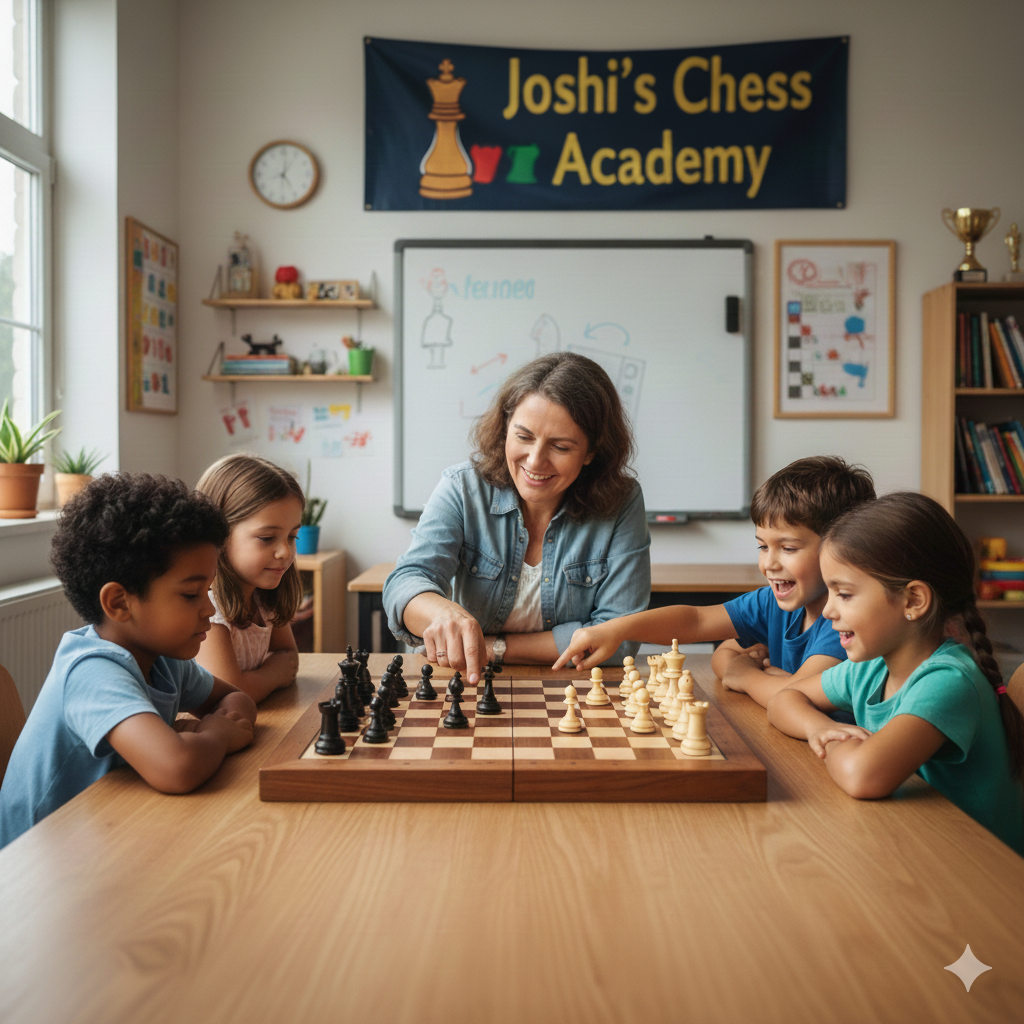
Learn Chess Step by Step with Joshi’s Chess Academy
Grade A – Foundations
Chessboard & pieces, basic rules, how to move pieces, pawn and piece values, check, checkmate, special moves (castling, en passant, pawn-promotion), legal/illegal moves.
Grade B – Beginner Tactics & Mates
Simple checkmates (rook, queen, double-bishop, basic patterns), “mate in 1” and “mate in 2” puzzles, piece exchanges, idea of material balance, capturing safely.
Grade C – Intermediate Strategy & Openings
Opening principles (center control, development, king safety), basic opening repertoire, middle-game tactics such as pins, forks, skewers, double attacks, discovered attacks, X-rays; simple pawn-structure awareness.
Essential endgames (king + pawn vs pawn, rook endings, basic minor-piece endings), advanced endgame techniques (opposition, triangulation, pawn-promotion strategies), basic opening–middlegame–endgame integration, tournament mindset, notation, rules, time control awareness.Lorem ipsum dolor sit amet, consectetur adipiscing elit, sed do eiusmod.
Why Chess ?
More than just a game — it’s a path to sharper minds, stronger personalities, and lifelong success.
Sharpen Your Mind
Chess challenges both memory and creativity. By remembering patterns, visualizing moves ahead, and solving complex problems on the board, students develop enhanced memory, improved concentration, and quicker decision-making. Regular chess training stimulates cognitive growth and boosts analytical thinking.
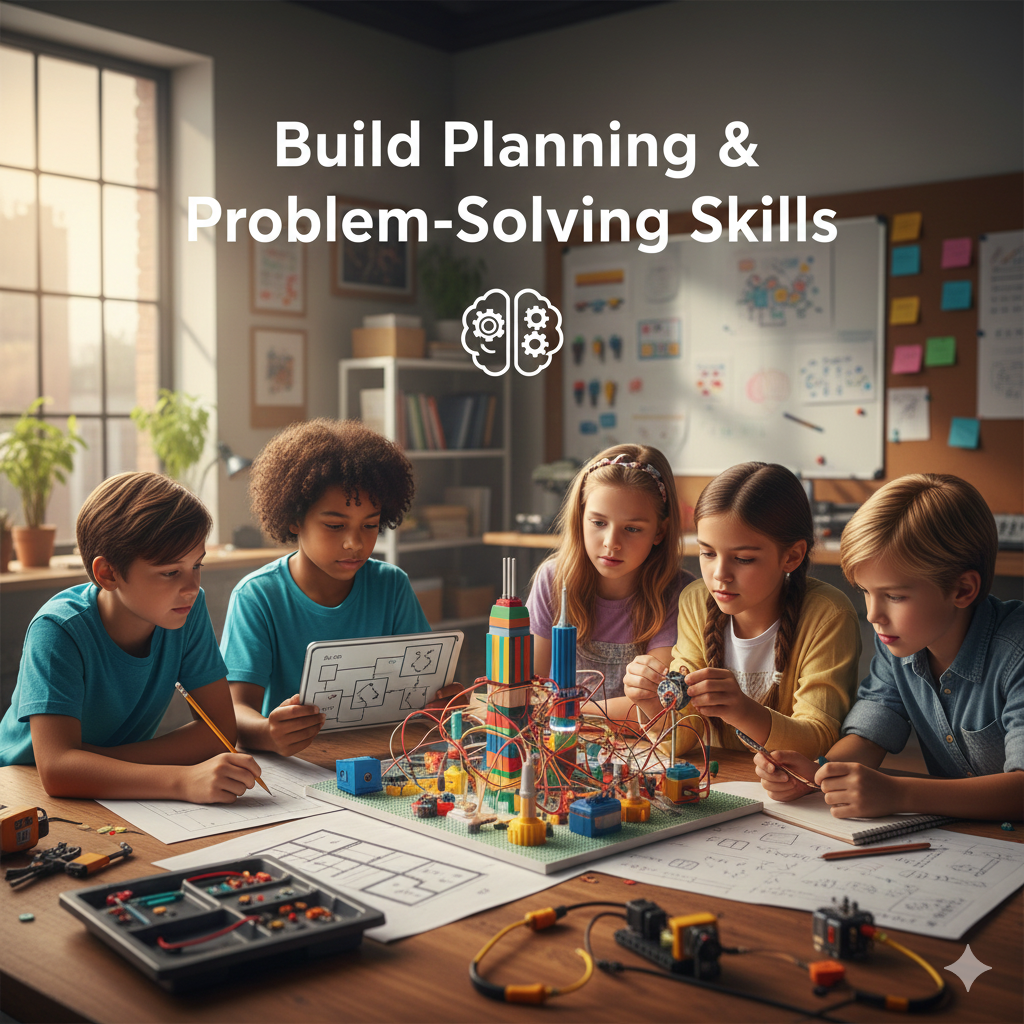
Build Planning & Problem-Solving Skills
Every move counts. Chess teaches you to think ahead, foresee consequences, and plan multiple moves in advance. These are not just chess skills — they help in academics, daily decision-making, and real life
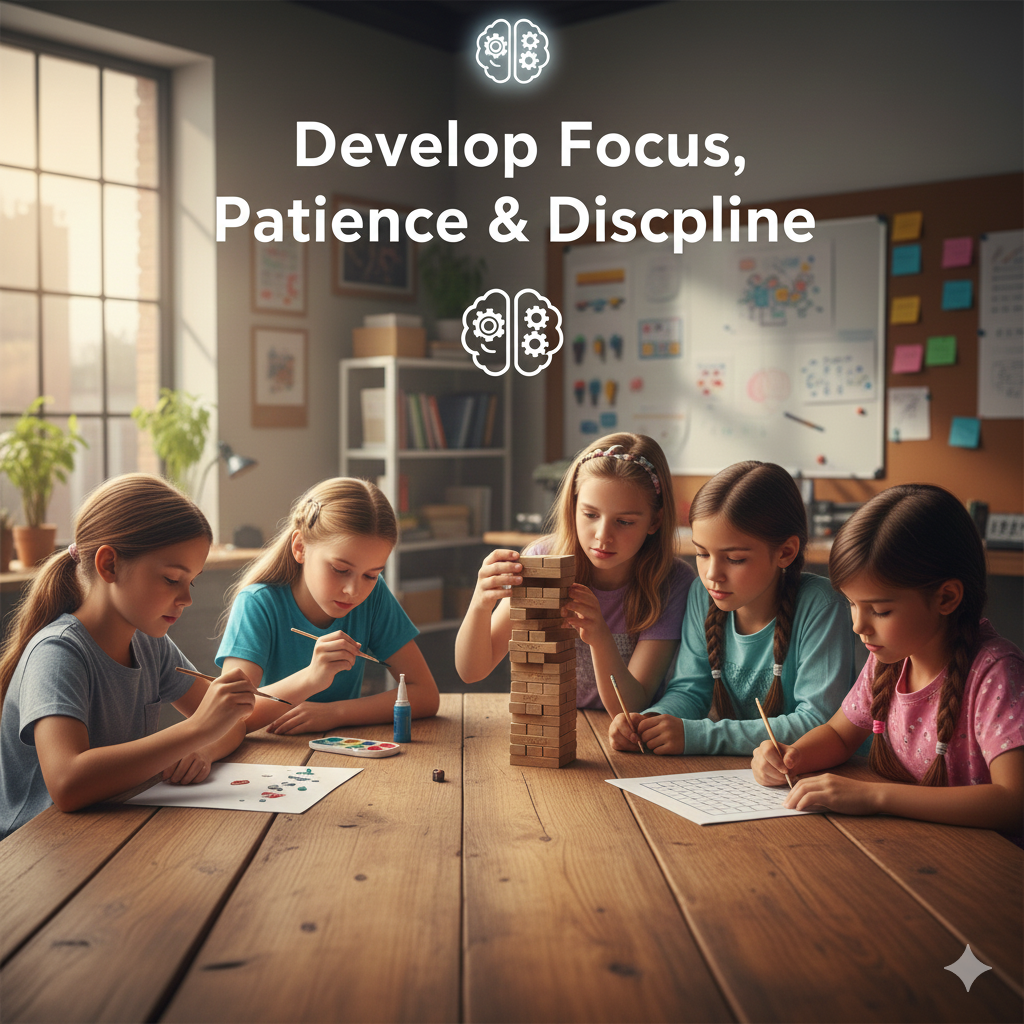
Develop Focus, Patience & Discipline
A chess game demands concentration, calmness under pressure, and patience. Over time, students learn to stay focused, make thoughtful decisions, and handle wins and losses gracefully — building emotional discipline and resilience
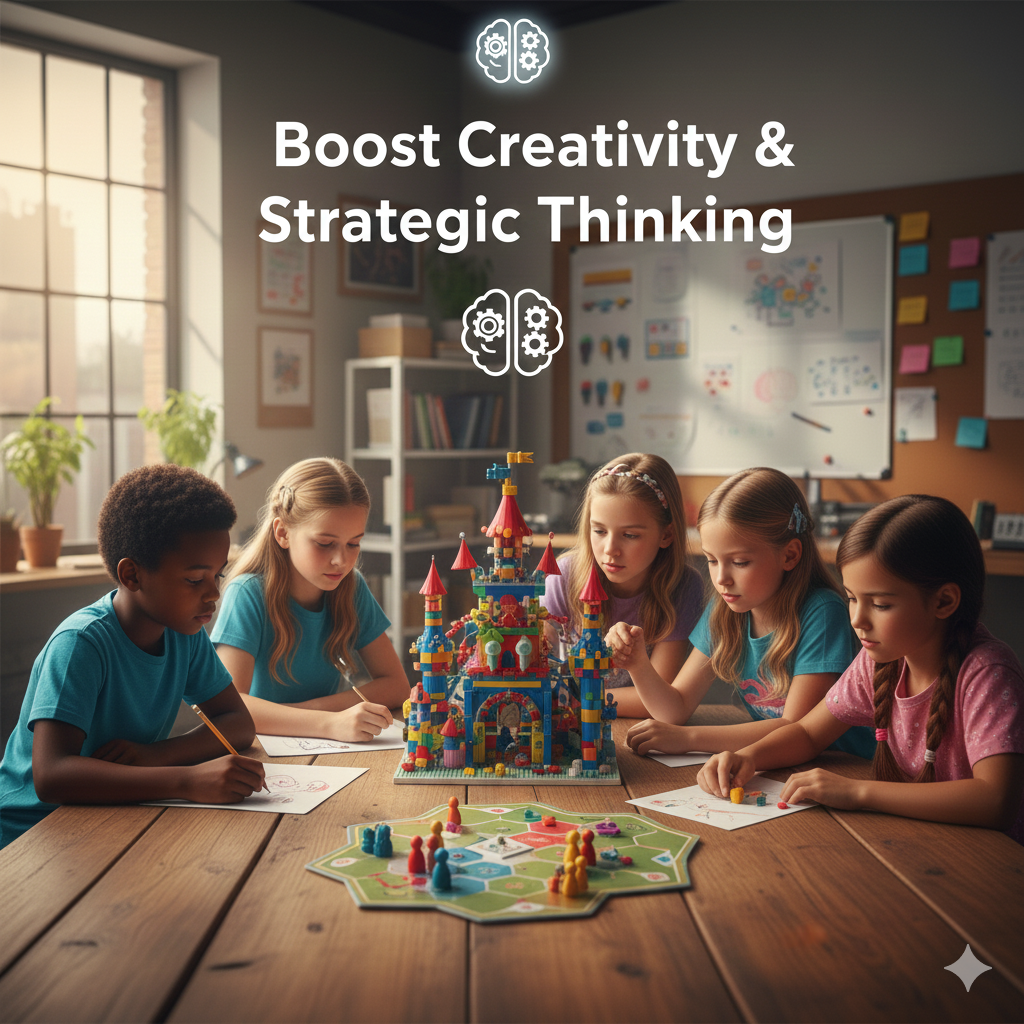
Boost Creativity & Strategic Thinking
Chess isn’t always about the obvious move — creativity, intuition, and strategy make the difference. Players learn to envision possibilities, adapt to changing scenarios, and think outside the box. This enhances creativity and flexible thinking
Enhance Confidence & Life Skills
Success on the board — a well-played game, a win, or even a hard-fought draw — builds self-confidence. Chess players learn to face challenges, analyze mistakes, and bounce back. These traits shape character, helping students in school, career, and life beyond chess
Academic Benefits & Long-Term Growth
Studies link chess training to improved performance in math, reading, problem-solving, and overall academic skills. The logical, spatial, and strategic thinking developed through chess translates into better learning outcomes in school and competitive exams
Social & Psychological Advantages
Chess builds sportsmanship, respect for rules, patience, and the ability to handle pressure gracefully. Through tournaments and peer interactions, students learn teamwork, competition ethics, and social confidence
Enhances Emotional Strength & Decision Making
Chess teaches children how to make decisions under pressure, accept outcomes with maturity, and try again with a better strategy. It builds emotional stability, patience, and resilience — qualities that help far beyond the chessboard.